 |
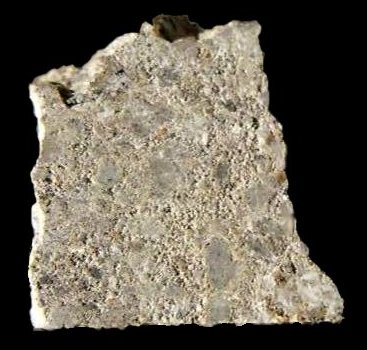
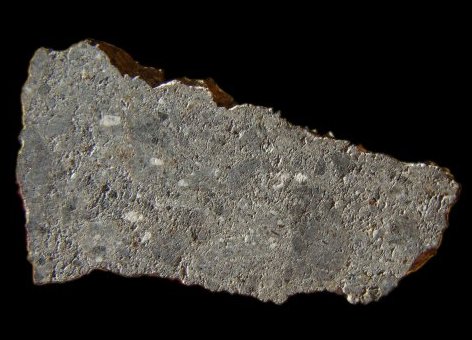
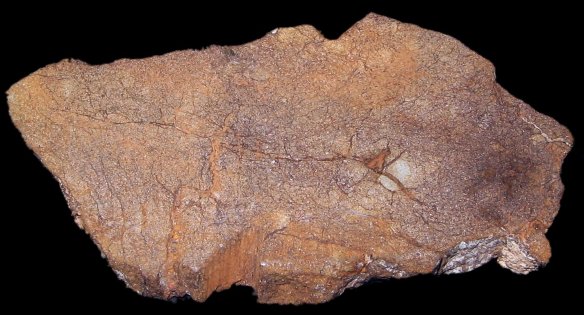
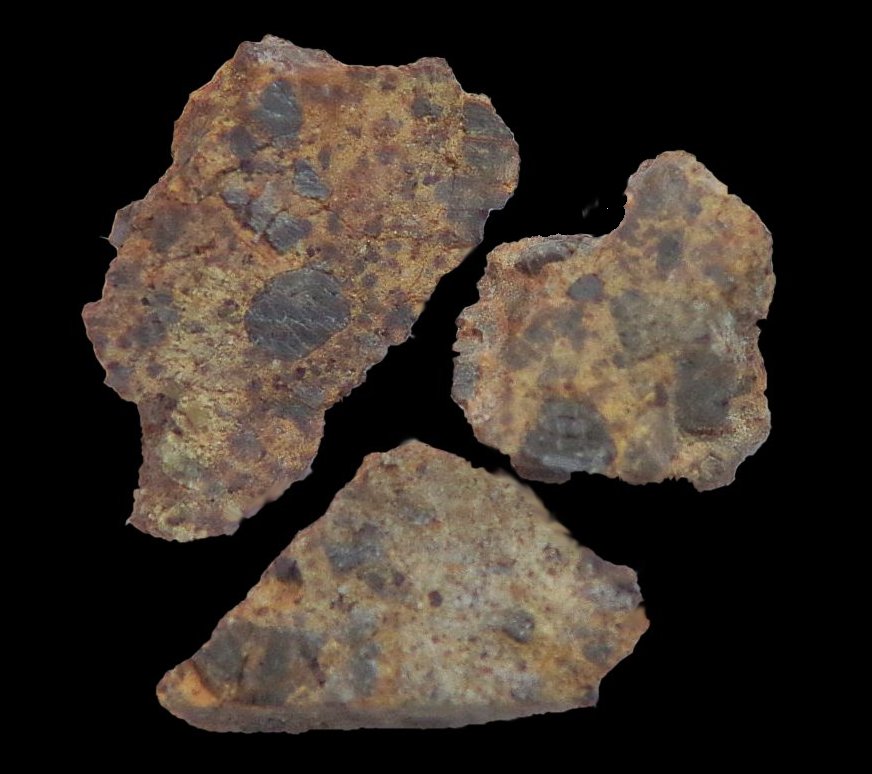
A lovely example of CV3 NWA
5950 This is a
thick slice measuring 33mm x 27mm x 6mm,
with a mass of 19.7 g We have several other
slices and endcuts: contact us for details!
|
|
 |
We
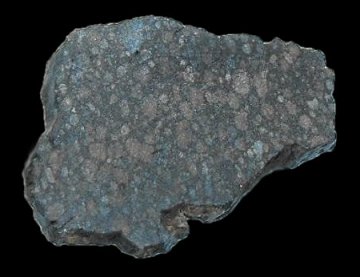
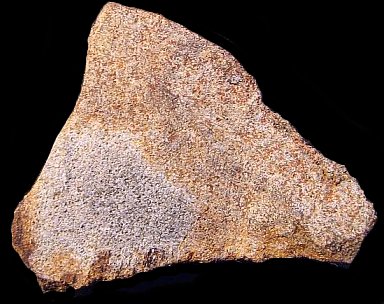
have obtained some slices of the stunning
L3.2 chondrite NWA
5205 The size and colour
of the chondrules in these slices (which range
from 3g to 5.7g) is truly astonishing!
The original mass of around 4kg was obtained
in Morocco in 2007.
|
|
 |
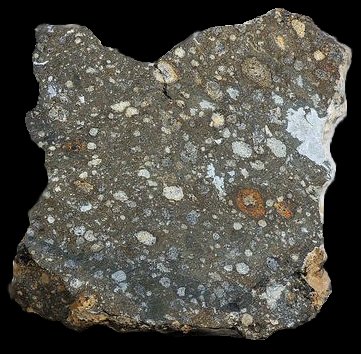
This
newly-discovered CV3 carbonaceous
chondrite
was purchased in Morocco in June 2009. We have
a number of slices between 2g and 4g
|
|
 |
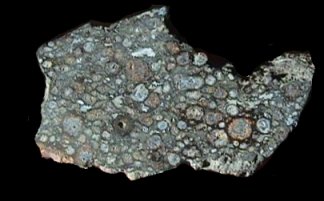
An
attractive slice of the NWA 4522 LL3.5
chondrite
found in ERfoud, Morocco in 2006 that displays plenty
of chondrules and lbreccia inclusions.
|
|
 |
A
really good-looking slice of the NWA 801
CR2 carbonaceous chondrite, which
includes
amazing (and typical) metallic blebs and
armoured chondrules.We
have several available:
this one has a very respectable mass of 2.3g
|
|
 |
NWA
4967 is
an Ornans-type CO3.2 carbonaceous
meteorite: it was probably found in Algeria in 2007.
Our samples measure around 30mm x 14mm, with
masses of 2.75g - 3g
|
|
 |
We
try to maintain stocks of as many classes
as we can! Carbonaceous chondrites are a real
challenge, due to the rarity of some types: but
nevertheless we have samples of many of the rare
finds, including Ivuna. This specimen
is a 10g
polished slice of the NWA 5436 CV3.
|
|
 |
This
sample is best described
as 'small, but beautiful'!
A polished slice of NWA 2883,
it displays amazing pale
blue chondrules in a sandy matrix. This LL3.7 was found
in Morocco in 2004 and has a tiny TKM of just 145g |
|
 |
This
complete slice of the H4 chondrite NWA 2123
has a mass of 31g. It was found in north west Africa
in 2002 and features numbers of small chondrules in
a chocolate brown matrix. A TKM of just 351 grams
is recorded for this unusual find.
|
|
 |
We
have a good inventory of the well-known
NWA 3118. As with many carbonaceous space
rocks, eight of the twenty amino acids found
in terrestrial life have been identified in this
meteorite. Many biologists are convinced that
this is proof that life was 'seeded' on Earth
in this way! E-mail for details!
|
|
 |
NWA
4769 has been described as an LL 3 chondrite
and as a CK4 carbonaceous chondrite:
certainly its
lithology points towards the latter classification.
This beautiful slice has a generous surface area,
measuring 45mm x 40mm
|
|
 |
We
have managed to buy a number of slices of
the Gujba bencubbinite.
Arguably the most
beautiful of all
meteorites, and certainly one
of the most sought-after, this stunning item is
packed with metal and cryptocrystalline silicate
spheroids.
This example has a mass of 1.5g
|
|
 |
Murchison
is a justifiably famous CM2 carbonaceous
chondrite, which fell on September 28th, 1969 near
the town of Murchison, Victoria, Australia. Many of
the claims made for this rare and attractive meteorite
are contentious, but it certainly does contain over
92 amino acids, only 19 of which are found on Earth!
The high water content (12%) suggests a cometary
origin, like the equally sought-after Tagish Lake. We
have several small specimens: phone for availability.
|
|
 |
This
is a beautiful .75g slice of
the Kainsaz CO3.2
carbonaceous meteorite that fell in Russia in 1937.
Perfect for 'type set' collectors: a really attractive
example of this rare meteorite. Larger samples also
available: contact us for details.
|
|
 |
Tagish
Lake
is a C2 / CI2 carbonaceous chondrite
that many scientists believe may have originated
on the surface of a comet. It was seen falling in
British Columbia,Canada in January, 2000. Our
fragments have respectable masses of 50 - 60mg
|
|
 |
A
beautiful 1g slice of NWA 5584 an
R3.8 Rumurutite
that displays unusual coloured chondrules. A fine example
of one of the rarest meteorite types, the specimen
measures 14mm x 17mm
|
|
 |
This
is a very beautiful slice of a new and, as yet,
unclassified CV3. The slice displays
many chondrules
and CAIs in a dark matrix. The specimen measures
26mm x 23 mm and has a mass of 3.8g.
|
|
 |
A
decent end-cut of NWA 2921, an R 3.8
Rumurutite
meteorite found in 2005 in the Sahara. R-chondrites
are extremely rare and this find displays the typical
brecciation. With a low TKM of just over 1.7kg, this
is a respectable piece with a mass of .54g
|
|
 |
NWA
4699 is a beautiful L/LL3
that was found in 2007
in the northern Sahara. It displays a wealth of chondrules
and has a low TKM of just 815g. Our sample has a good
surface area and a mass of 5.5g
|
|
 |
Seen
falling in 1998 in the Guelmim-Es Semara
region of Morocco, the amazing Zag
chondrite
appears to derive from the brecciated regolith of
an incredibly ancient parent body. Zag has been
found to contain halite crystals: these are thought
to be the result of the evaporation of salt-bearing
ice inclusions and have been dated as being older
than any previously known meteoritic material.
This sample has a mass of 32g, but we have other,
more affordable examples.
|
|
 |
NWA
2949 is
a very rare brecciated eucrite that
was found
in 2005 in North West Africa. This amazing
stone was thought to be a Howardite when first cut,
because of its unusual composition. Our slice has a
mass of 3g and a decent surface area.
|
|
 |
Dho312
is an acapulcoite: an example of a
type
of primitive achondrite. It was discovered on
January 11 2001 in Oman. These meteorites are
thought to have come from the same parent body
as lodranites, and may represent a 'halfway' stage
between chondrites and achondrites. This sample
has a mass of just under 1g
|
|
 |
Mt Egerton
is an aubrite: composed of nickel-iron
with large crystals of enstatite, it was discovered
in Western Australia in 1941. Our samples are all
individual crystals with masses just under a gram.
|
|
 |
Norton
County
is an aubrite: a rare achondritic
stone comprised almost totally of enstatite. This
small (.3g) sample would be a great way of adding
a piece of this rare type to your collection without
breaking the bank
|
|
 |
Howardites
are brecciated achondrites that
mostly originated on the Asteroid Vesta. We
have many different examples, at a variety of
masses and prices, including NWA 2696,
1281,
and 3117 and a similar inventory of
Eucrites.
Phone or e-mail for details!
|
|
 |
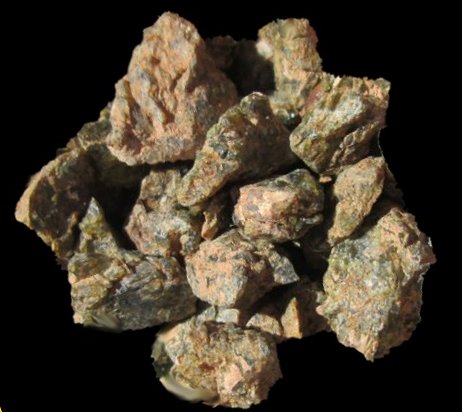
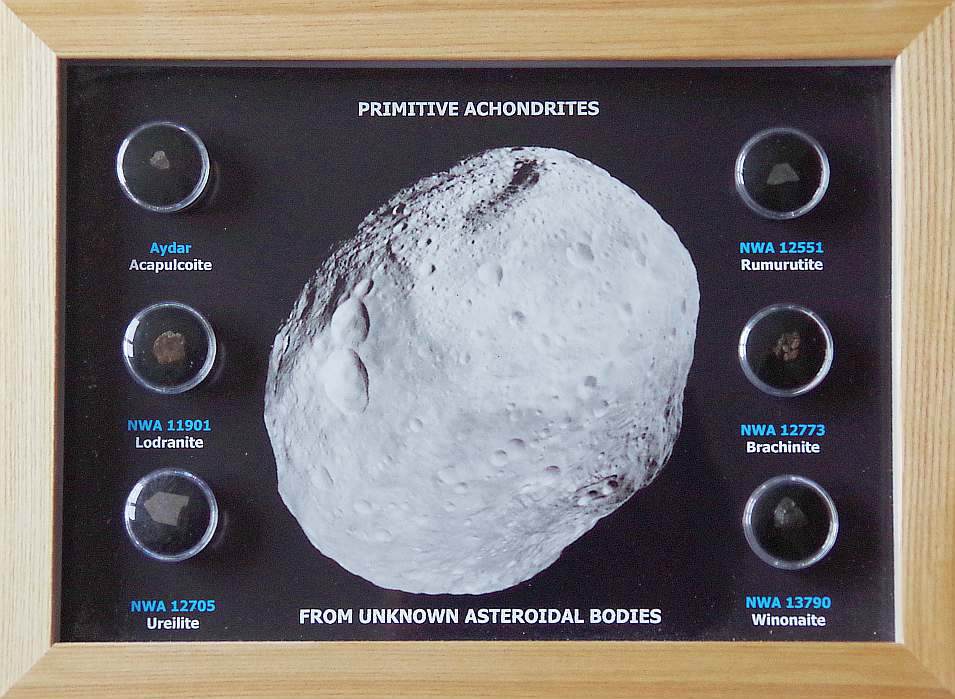
With
only 30 kilos available on Earth, Ureilites
are
rarer than Martian meteorites! Their parent body
is unknown: they all display high carbon content,
and more excitingly, tiny particles of diamond.
These, it is believed, were produced by high
pressure shocking of the graphite matrix. We have
various sizes available.
|
|
 |
We have just purchased a 200g piece of
the EL3 fossil meteorite NWA
2965
This enstatite-rich
meteorite (which has
been paired with NWA 4295) was discovered
in 2005 near El Hagounia, Western Sahara.
We have cut several slices and these show
typical glittery enstatite and dark veining.
NWA 2965 was discovered on the surface of
a saline 'playa', while other paired stones
have been found up to a metre below the
surface. Price per 5g slice:
|
|
 |
NWA
4295
is classified as an EL3 fossil meteorite.
This enstatite-rich meteorite was discovered
in an Algerian conglomerate in 2005. Our examples
display shock-veining and glittering enstatite crystals.
These stones are very rare, accounting for less than
2% of all chondrites.
Available in 15g fragments at:
|
|
 |
Tatahouine
is a diogenite from the asteroid
Vesta. This rare meteorite fell on June 27, 1931
at 0130 hours, about 2 1/2 mi. NE of the village
of Foum Tatahouine, Tunisia, breaking into
thousands of small fragments.This, at 2.2g,
is larger than most offered for sale: we have
several other similarly sized pieces too!
|
|
 |
These
more typical Tatahouine
fragments
have masses around 1g. A great way to acquire
a piece of Vesta without breaking the bank!
|
|
 |
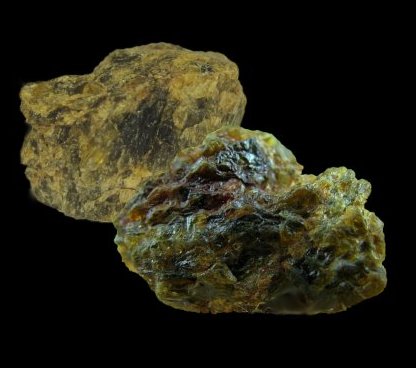
This
is a 4.7g slice of the howardite NWA3117
found
in 2003, probably in Mauretania. With a
low TKW of just 2.5kg, this is a difficult item to
locate! Many other HEDs available!
|
|
 |
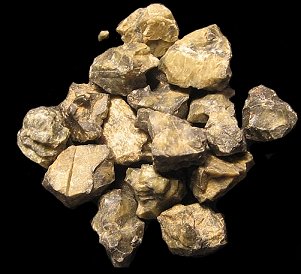
We
have samples of a new find of the enstatite
Al Haggounia 001. First found in
2005 North East
of Laayoune, Western Sahara and classified by
Albert Jambon at the Pierre & Marie Curie University,
Paris, this exciting addition to a rare group is now
available. This sample has a mass of 8g and is
shown around four times actual size.!
|
|
 |
Larger
quantities of Al
Haggounia 001 are
available, from 5g to 150g. Each is supplied
with copies of two mails from Professor Jambon.
|
|
 |
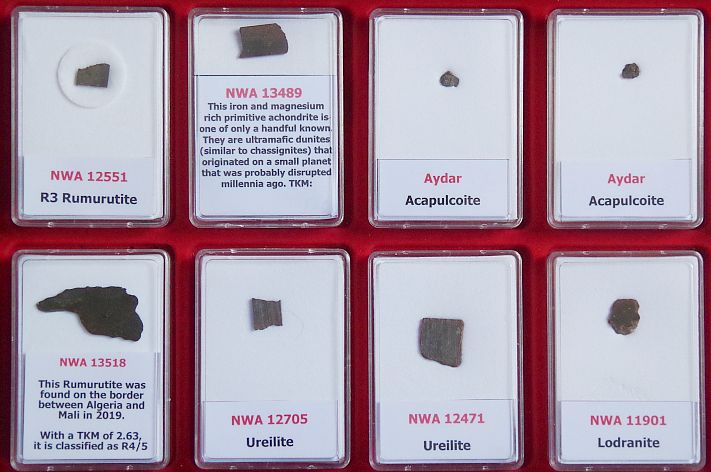
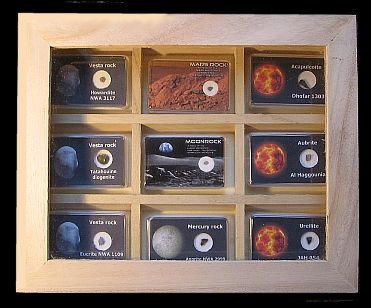
Perhaps
you might consider buying one of
our
rare achondrite collections. This contains
good-sized samples of all three HED types from
the asteroid Vesta, a Lunaite, a Martian meteorite,
an Angrite that some researchers feel may have
originated on Mercury, an Aubrite, an Acapulcoite
and, finally, a Ureilite! Phenomenal value: even
if you could find examples of all nine types, you
would have to pay around £30 each!
|
|